

Exploring the historical evolution of gambling through the ages
Ancient Origins of Gambling
The history of gambling can be traced back to ancient civilizations, where games of chance were deeply woven into the cultural fabric of societies. In ancient China, dice made from bone or wood were used in games as early as 2000 BC. Similarly, in ancient Rome, gambling was prevalent among citizens, with various games involving betting on outcomes of contests, including chariot races and gladiatorial events. These early forms of gambling reflect humanity’s innate desire for risk-taking and the thrill of uncertainty. Today, anyone interested in exploring these risks can visit spinra-game.com, where platforms like SpinRa offer exciting options.

Additionally, artifacts such as playing cards dating back to the Tang dynasty in China around the 9th century further illustrate how gambling evolved into a structured form of entertainment. These games were not just pastimes; they were social activities that brought people together, often featuring intricate rules and strategies, which laid the groundwork for modern gambling practices.
Gambling in the Middle Ages
The Middle Ages saw a shift in gambling, particularly in Europe, where it became associated with nobility and wealth. The introduction of betting on games like backgammon and the first poker-like games highlighted the changing landscape of gambling. During this period, lotteries emerged as a popular form of gambling, often used to fund public projects such as roads and bridges. This not only popularized gambling among the lower classes but also institutionalized it as a means of generating revenue.
Regulations surrounding gambling also began to take shape during this time. Authorities started to impose restrictions on games, aiming to curb the excesses associated with wagering. Despite these restrictions, gambling remained a popular activity, and the emergence of card games further solidified its place in medieval society.
The Rise of Casinos
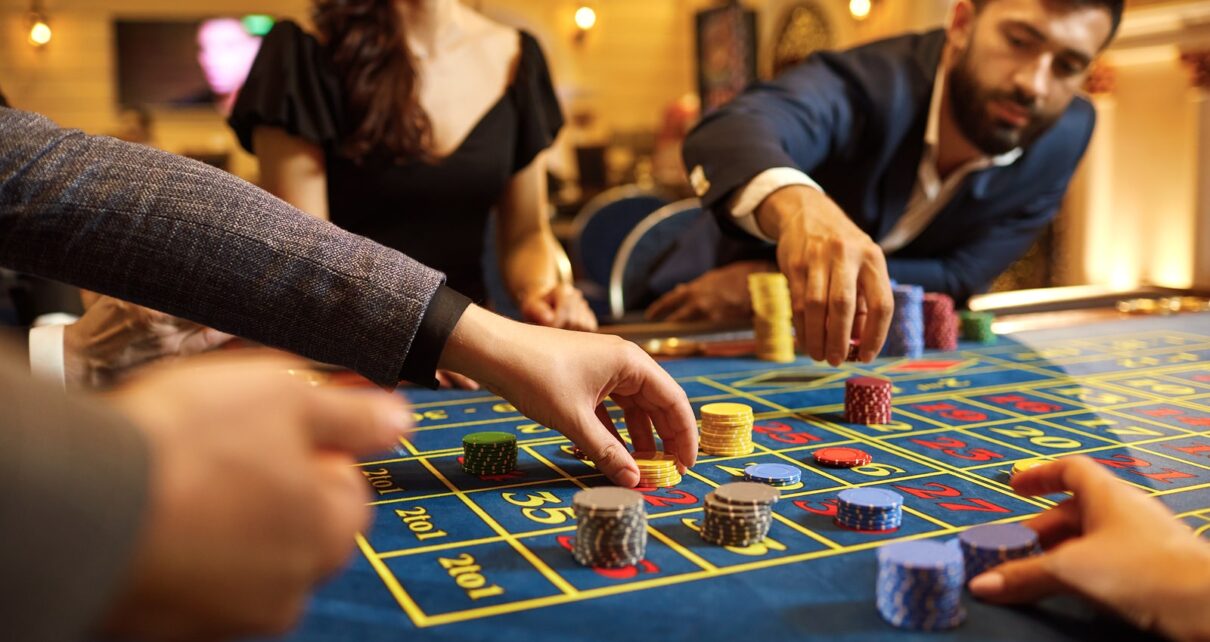
The 17th century marked the birth of casinos, with the establishment of venues specifically dedicated to gambling. The first official casino, the Ridotto, opened in Venice in 1638, providing a controlled environment for gamblers. This innovation changed the face of gambling by separating it from other forms of entertainment and creating a space solely for betting and gaming. The luxurious atmosphere of casinos attracted the elite, leading to the evolution of sophisticated games like baccarat and roulette.
As casinos gained popularity, they began to spread throughout Europe and eventually to other parts of the world. The connection between gambling and social status became more pronounced, and casinos began to cater to the wealthy elite, offering lavish experiences that combined gaming with dining and entertainment. This period laid the foundation for the modern casino experience we see today.
Gambling in the Modern Era
The 20th century ushered in significant changes in the gambling landscape, particularly with the advent of technology. The introduction of slot machines and later, video gaming systems revolutionized how people engaged with gambling. Casinos expanded to include more diverse gaming options, appealing to a broader audience. Las Vegas emerged as the gambling capital of the world, showcasing extravagant resorts that offered everything from high-stakes poker to elaborate shows.
The online gambling boom in the late 1990s marked a transformative phase in the industry. Online casinos made gambling accessible to anyone with an internet connection, breaking geographical barriers and changing player demographics. This development has had lasting effects on the industry, leading to innovative games and new platforms for both casual players and serious gamblers.
Understanding the Current Landscape of Gambling
Today, the gambling industry is a multi-billion-dollar global enterprise that continues to evolve rapidly. With the rise of mobile gaming and advancements in technology, players can enjoy their favorite games anytime and anywhere. The introduction of live dealer games and virtual reality experiences has added a new dimension to online gambling, making it more immersive and engaging.
Regulations surrounding gambling vary significantly across different regions, with some areas embracing it as a source of revenue while others maintain strict prohibitions. This dichotomy illustrates the ongoing complexities of gambling as both a popular entertainment form and a social issue, highlighting the balance between enjoyment and responsibility in the modern gaming environment.